- Home
- About Us
- Services
- Fertility Consultation
- Gynecology Consultation
- Fertility & Reproductive Health Management
- Pre-Fertility Evaluation
- Hysteroscopy
- Laparoscopy for Fertility
- IVF / IUI Support Services
- Pre-Fertility Fitness & Lifestyle
- HPV Vaccine Counseling
- Cervical Health Screening
- Hormonal Balance Assessment
- Adolescent Gynecology Guidance
- Fertility Counseling & Emotional Support
- Holistic Counseling (mind–body–soul approach)
- Menstrual Health Counseling
- Pregnancy Planning & Preconception Counseling
- Testimonials
- Contact Us
- Blog

Hysteroscopy
Advanced Diagnostic Precision, Minimally Invasive Care, and Expert Hysteroscopy Solutions.
Clear Diagnosis, Better Fertility
A Clear View for Better Reproductive Health
At Gynae and Fertility Clinic, we use hysteroscopy as a safe and advanced diagnostic and treatment procedure to evaluate the inside of the uterus. This minimally invasive technique allows our specialists to directly visualize the uterine cavity, identify abnormalities, and address conditions that may affect menstrual health, fertility, or pregnancy outcomes.
Whether performed for diagnostic purposes or to treat specific uterine conditions, hysteroscopy helps ensure accurate diagnosis, faster recovery, and improved reproductive results. Our experienced team provides personalized care at every step — from evaluation to treatment and follow-up — to support your reproductive wellness with precision and compassion.
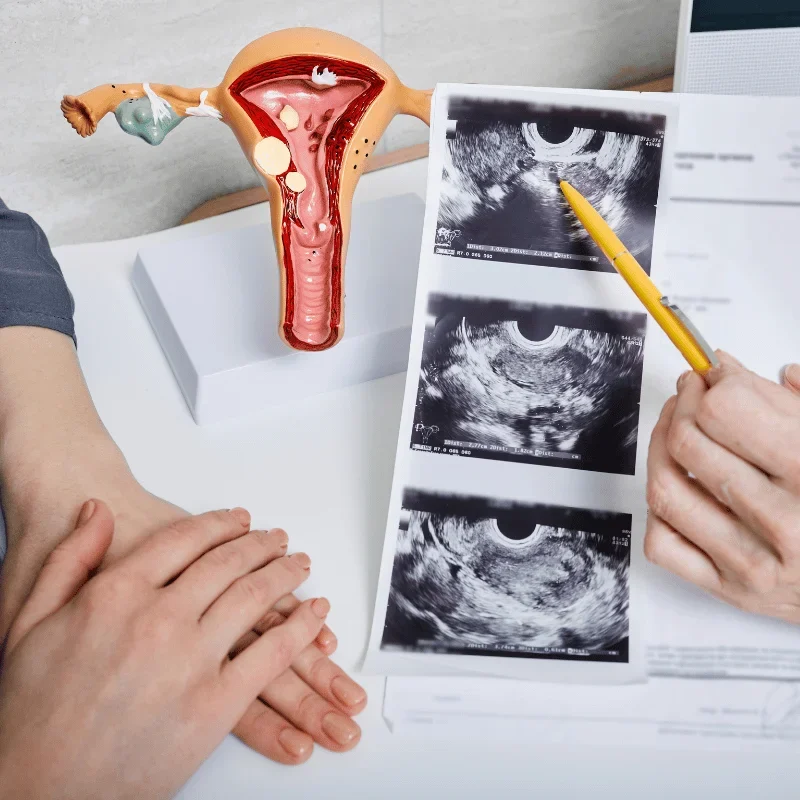
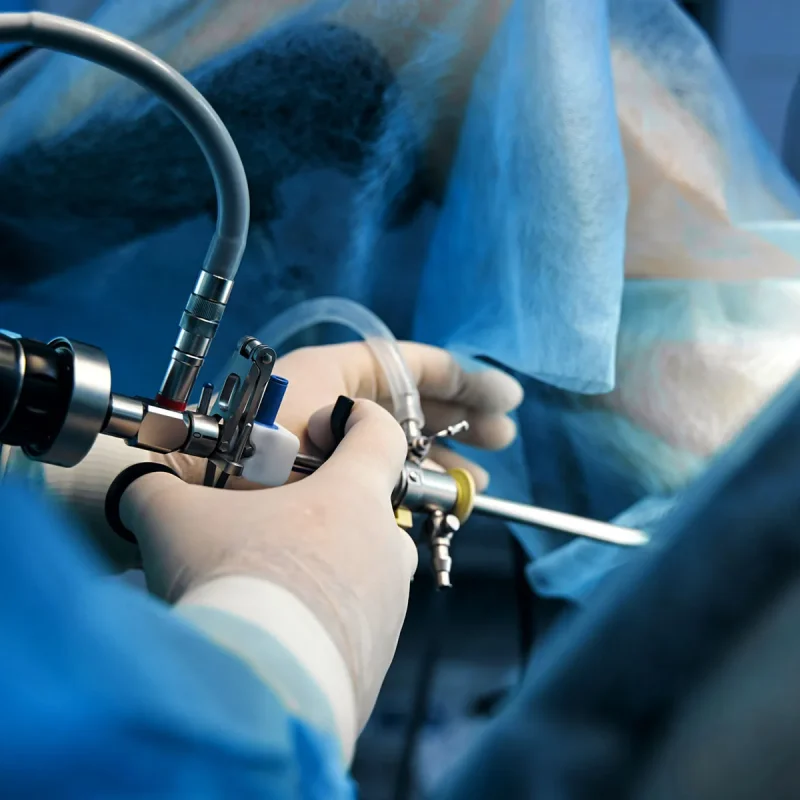
Comprehensive Hysteroscopy Care at Gynae and Fertility Clinic
At Gynae and Fertility Clinic, we provide expert hysteroscopy services designed to diagnose and treat conditions affecting the uterus with accuracy and minimal discomfort. Our experienced gynecologists use advanced hysteroscopic technology to visualize the uterine cavity, identify abnormalities, and perform precise treatments — all within a gentle, minimally invasive approach.
Whether you are experiencing abnormal uterine bleeding, recurrent miscarriages, infertility, or suspected uterine abnormalities such as fibroids or polyps, our team ensures thorough evaluation and personalized care every step of the way.
We are committed to providing a safe, supportive environment where women can receive expert diagnosis and effective treatment that promotes fertility, reproductive health, and overall well-being.
If you have concerns about your uterine health or have been advised to undergo a hysteroscopy, our friendly care coordination team is here to assist you in scheduling a consultation and guiding you through every stage of the process.
- Diagnostic Hysteroscopy for Uterine Health
A hysteroscopy is an essential diagnostic and therapeutic procedure used to evaluate the inside of the uterus and identify potential causes of abnormal bleeding, infertility, or recurrent pregnancy loss. At Gynae and Fertility Clinic, our specialists use advanced hysteroscopic techniques to provide clear, accurate assessments of uterine health in a comfortable and minimally invasive manner.
During the procedure, a thin, lighted telescope called a hysteroscope is gently inserted through the cervix to visualize the uterine cavity. This allows our doctors to detect and often treat conditions such as polyps, fibroids, adhesions, or uterine septum — all of which can impact fertility and menstrual health.
A diagnostic hysteroscopy not only helps in confirming uterine abnormalities but also provides valuable insights for developing a targeted treatment plan. For many women, it is a key step toward restoring normal uterine function, improving fertility outcomes, and ensuring long-term reproductive wellness.
Regular evaluations and timely hysteroscopic assessments can make a significant difference in diagnosing hidden uterine conditions early and supporting better reproductive health.
Common Reasons for Hysteroscopy Include:
- Abnormal Uterine Bleeding – heavy, prolonged, or irregular menstrual cycles.
- Infertility or Recurrent Miscarriage – to check for uterine abnormalities that may affect conception or pregnancy maintenance.
- Suspected Uterine Polyps or Fibroids – to confirm and, if needed, remove growths that can interfere with fertility.
- Uterine Adhesions (Asherman’s Syndrome) – to identify scar tissue that may block or distort the uterine cavity.
- Evaluation Before Fertility Treatment (IUI/IVF) – to ensure the uterus is healthy and receptive for embryo implantation.
- Postmenopausal Bleeding – to assess and rule out endometrial pathology.
* The decision to perform a hysteroscopy depends on individual symptoms, test results, and medical history.
At Gynae and Fertility Clinic, our experts ensure every procedure is tailored to your specific needs, prioritizing safety, comfort, and optimal reproductive outcomes.
- Diagnostic and Therapeutic Hysteroscopy
Hysteroscopy is a minimally invasive procedure used to examine the inside of the uterus and diagnose or treat various gynecological conditions. At Gynae and Fertility Clinic, we specialize in advanced hysteroscopic evaluations to help women address issues that may affect their menstrual health, fertility, or overall reproductive wellness.
Whether you’re experiencing abnormal bleeding, recurrent miscarriages, or infertility, hysteroscopy allows our specialists to visualize the uterine cavity with precision and treat underlying problems — often in the same procedure — for faster recovery and improved outcomes.
Conditions Commonly Assessed or Treated with Hysteroscopy
Our clinic offers diagnostic and operative hysteroscopy for a range of uterine conditions, including:
- Uterine Polyps – removal of small, benign growths that can cause bleeding or infertility.
- Fibroids (Submucous Myomas) – resection of fibroids affecting the uterine lining.
- Intrauterine Adhesions (Asherman’s Syndrome) – restoration of normal uterine shape and function.
- Congenital Uterine Abnormalities – correction of septum or structural irregularities.
- Endometrial Evaluation – biopsy or targeted examination for abnormal uterine bleeding.
- Retained Products of Conception – safe removal following miscarriage or delivery.
Why Choose Hysteroscopy?
Unlike traditional surgical methods, hysteroscopy offers:
- Minimal discomfort and faster recovery
- No external incisions
- Precise diagnosis and targeted treatment
- Same-day discharge in most cases
At Gynae and Fertility Clinic, our experienced team uses state-of-the-art equipment and a patient-centered approach to ensure comfort, safety, and effective results.
Hysteroscopy can play a vital role in both diagnosis and treatment, improving fertility outcomes and helping women regain optimal reproductive health.
- Hysteroscopy Evaluation and Treatment
Hysteroscopy is an advanced diagnostic and therapeutic procedure that allows direct visualization of the uterine cavity, helping specialists identify and treat various causes of abnormal bleeding, infertility, or recurrent miscarriages. At Gynae and Fertility Clinic, we use state-of-the-art hysteroscopic techniques to ensure precise diagnosis and effective treatment with minimal discomfort and downtime.
Evaluation
Before performing a hysteroscopy, our specialists conduct a thorough evaluation to understand your symptoms, medical history, and reproductive goals.
The pre-procedure assessment may include:
- Detailed gynecological and menstrual history review
- Pelvic ultrasound to visualize the uterus and detect fibroids, polyps, or other abnormalities
- Blood tests to assess hormonal and general health parameters
- Fertility or pregnancy-related evaluations, if relevant
- Discussion of symptoms, such as abnormal bleeding, pelvic pain, or fertility challenges
This comprehensive evaluation allows us to determine whether diagnostic or operative hysteroscopy is most appropriate for your condition.
Treatment
Depending on the findings, hysteroscopy can be used not only to diagnose but also to treat uterine conditions in a minimally invasive manner.
Treatment options may include:
- Removal of uterine polyps or fibroids affecting menstrual flow or fertility
- Correction of uterine septum or adhesions (Asherman’s Syndrome)
- Endometrial biopsy or sampling for abnormal uterine bleeding
- Removal of retained products of conception following miscarriage or delivery
- Evaluation and optimization of the uterine cavity before IVF or fertility treatments
At Gynae and Fertility Clinic, our goal is to restore uterine health, alleviate symptoms, and enhance fertility potential through safe, effective hysteroscopic care.
- Diagnostic and Operative Hysteroscopy
Hysteroscopy is a minimally invasive procedure that allows direct examination of the inside of the uterus using a thin, lighted instrument called a hysteroscope. It plays a vital role in diagnosing and treating uterine conditions that may cause abnormal bleeding, pelvic pain, or fertility challenges.
At Gynae and Fertility Clinic, we offer both diagnostic and operative hysteroscopy procedures to provide accurate assessment and effective treatment in a single visit whenever possible. Our specialists use advanced, gentle techniques to ensure patient comfort and quick recovery.
Once the condition is identified, our specialists create a tailored treatment plan to address your specific needs. Treatment options during hysteroscopy may include:
- Removal of uterine polyps or fibroids that may interfere with menstruation or fertility
- Treatment of intrauterine adhesions (Asherman’s Syndrome) to restore normal uterine shape
- Correction of uterine septum to improve fertility outcomes
- Endometrial sampling or biopsy for abnormal uterine bleeding
- Evaluation and preparation of the uterine cavity before assisted reproductive procedures such as IVF
Through precise visualization and minimally invasive care, hysteroscopy helps improve uterine health, enhance fertility potential, and reduce the need for major surgery.
At Gynae and Fertility Clinic, we focus on patient-centered care — ensuring every woman receives safe, effective, and compassionate treatment to restore reproductive wellness.
- Hysteroscopy Evaluation and Diagnostic Procedures
A hysteroscopy is one of the most accurate and minimally invasive methods for diagnosing uterine conditions that may affect a woman’s reproductive health. It allows your specialist to directly visualize the inside of the uterus, identify abnormalities, and often treat them during the same procedure — reducing the need for multiple surgeries or prolonged treatments.
At Gynae and Fertility Clinic, our experienced team uses advanced hysteroscopic techniques to evaluate and treat various uterine concerns that can contribute to infertility, abnormal bleeding, or recurrent miscarriage. Each procedure is tailored to the patient’s unique medical history and fertility goals.
Common Conditions Diagnosed and Treated with Hysteroscopy Include:
- Uterine Polyps and Fibroids: Growths that may interfere with implantation or cause heavy bleeding.
- Endometrial Adhesions (Asherman’s Syndrome): Scar tissue that can impact fertility or menstrual flow.
- Congenital Uterine Abnormalities: Such as septum or shape irregularities affecting conception or pregnancy maintenance.
- Endometrial Hyperplasia or Irregular Thickening: Evaluation and biopsy for abnormal uterine lining.
- Retained Products of Conception (RPOC): Safe removal following miscarriage or childbirth.
Following your hysteroscopy, our specialists will discuss the findings in detail and recommend the most appropriate next steps — whether that involves medical management, fertility treatment, or continued monitoring.
At Gynae and Fertility Clinic, our mission is to provide precision diagnostics, gentle treatment, and compassionate care to help women achieve optimal uterine health and improved fertility outcomes.

Frequently Asked Questions
What is a hysteroscopy?
A hysteroscopy is a minimally invasive procedure that allows your gynecologist to look inside the uterus using a thin, lighted instrument called a hysteroscope. It helps diagnose and treat conditions such as polyps, fibroids, abnormal bleeding, or uterine abnormalities that may affect fertility or menstrual health.
Is hysteroscopy painful?
Most patients experience only mild discomfort during a hysteroscopy. The procedure can be performed under local or general anesthesia, depending on the case. You may feel mild cramping similar to period pain, which usually subsides within a few hours.
How long does the hysteroscopy procedure take?
A diagnostic hysteroscopy typically takes between 10–20 minutes, while a therapeutic (operative) hysteroscopy may take slightly longer if treatment is performed during the same session.
What conditions can hysteroscopy detect or treat?
Hysteroscopy can identify and often treat conditions such as uterine fibroids, polyps, adhesions (scar tissue), septum, and abnormal endometrial growth. It is also used for investigating causes of infertility, recurrent miscarriage, and heavy or irregular bleeding.
What is the recovery time after a hysteroscopy?
Most patients recover quickly and can return to normal activities within 24–48 hours. Some mild spotting or cramping may occur for a few days, but this is temporary. Your doctor will advise on when to resume sexual activity or physical exercise.
Can hysteroscopy improve fertility?
Yes, in many cases. By identifying and correcting uterine issues such as polyps, fibroids, or adhesions, hysteroscopy can enhance the chances of natural conception or improve outcomes in fertility treatments like IUI and IVF.
Disclaimer: Individual results and recovery experiences may vary based on factors such as age, underlying health conditions, medical history, and lifestyle. Your healthcare provider will guide you with personalized recommendations suited to your specific needs.