Polycystic Ovary Syndrome (PCOS) is one of the most common hormonal disorders affecting women of reproductive age — yet it often goes undiagnosed or misunderstood. This condition can impact a woman’s menstrual cycle, fertility, weight, and overall health. At Gynae Fertility & IVF Centre, we believe that knowledge and early intervention are the keys to managing PCOS effectively. This detailed guide explains the causes, symptoms, and available treatments, helping women take charge of their reproductive health and wellbeing.
What is PCOS?
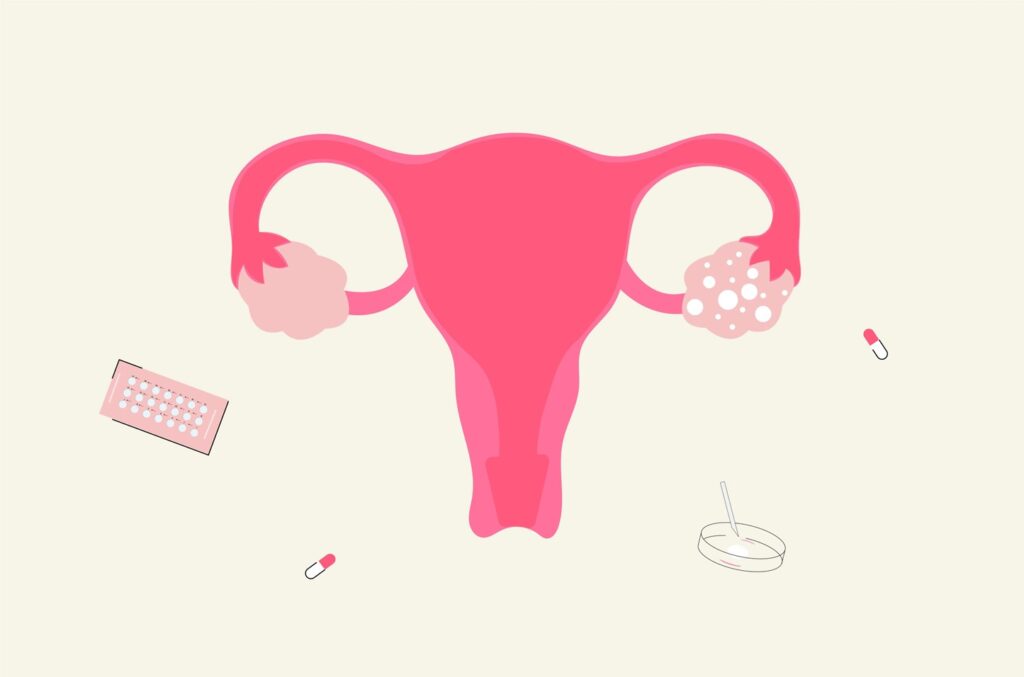
PCOS is a hormonal imbalance that affects how the ovaries work. In women with PCOS, the ovaries produce an excess of androgens — male hormones that are normally present in small amounts. This imbalance can interfere with ovulation, leading to irregular or absent periods.
The name “polycystic ovary syndrome” refers to the multiple small cysts (fluid-filled sacs) that can form in the ovaries. However, not all women with PCOS have these cysts — and not all ovarian cysts indicate PCOS.
Causes of PCOS
While the exact cause of PCOS remains unknown, several factors are believed to play a role:
- Hormonal Imbalance:
High levels of androgens prevent the ovaries from releasing eggs regularly, disrupting the menstrual cycle. - Insulin Resistance:
Many women with PCOS have insulin resistance, meaning their bodies can’t use insulin effectively. This can lead to higher insulin levels, which trigger more androgen production and weight gain. - Genetics:
PCOS tends to run in families, suggesting a strong genetic link. - Inflammation:
Low-grade inflammation in the body can increase androgen levels, contributing to PCOS symptoms.
Common Symptoms of PCOS
PCOS can manifest differently in each woman, but common symptoms include:
- Irregular or missed menstrual periods
- Difficulty getting pregnant (infertility)
- Excess facial or body hair (hirsutism)
- Acne or oily skin
- Weight gain, particularly around the abdomen
- Thinning hair or hair loss on the scalp
- Darkened skin patches (especially around the neck or armpits)
- Mood swings or anxiety
These symptoms often develop gradually and may worsen over time if left untreated.
Health Risks Associated with PCOS
Beyond reproductive health, PCOS can also increase the risk of several long-term health problems, including:
- Type 2 diabetes
- High blood pressure
- Heart disease
- Endometrial (uterine) cancer
- Sleep apnea
- Depression and anxiety
Early diagnosis and lifestyle management can greatly reduce these risks and improve quality of life.
How PCOS Affects Fertility
One of the most common challenges women with PCOS face is difficulty conceiving. Because ovulation may not occur regularly, the chances of natural conception decrease. However, with timely medical intervention and fertility treatments, pregnancy is absolutely possible.
At Gynae Fertility & IVF Centre, our fertility specialists offer personalized treatment plans that target the root cause of infertility — whether through lifestyle changes, medications, or assisted reproductive techniques like ovulation induction, IUI, or IVF.
Treatment Options for PCOS
PCOS management focuses on controlling symptoms and preventing complications. The treatment approach depends on your age, symptoms, and reproductive goals.
- Lifestyle Modifications:
- Maintain a healthy weight through regular exercise and a balanced diet.
- Reduce sugar intake to help manage insulin resistance.
- Practice stress management techniques such as yoga or meditation.
- Medication:
- Hormonal birth control to regulate menstrual cycles and reduce androgen levels.
- Metformin to improve insulin sensitivity.
- Fertility medications like clomiphene citrate or letrozole to induce ovulation.
- Fertility Treatments:
For women struggling to conceive, options such as IUI, IVF, or ICSI can be highly effective. These procedures are customized based on individual health and fertility conditions. - Surgical Intervention:
In rare cases, laparoscopic ovarian drilling may be considered to stimulate ovulation.
Living with PCOS: Long-Term Management
PCOS is a chronic condition, but it can be effectively managed with consistent care and lifestyle discipline. Regular follow-ups with your gynecologist, maintaining a healthy BMI, and monitoring hormonal levels are key to long-term wellness. Remember, small, consistent changes in diet and lifestyle can make a big difference in managing symptoms and improving fertility outcomes.
Conclusion
PCOS can be overwhelming, but it’s not the end of your fertility journey. With proper diagnosis, timely intervention, and holistic management, women with PCOS can lead healthy, fulfilling lives — and even achieve successful pregnancies. At Gynae Fertility & IVF Centre, we’re committed to supporting you with advanced treatments, personalized care, and the compassion every woman deserves.
